Who we serve · Physicians
Financial Planning Built for Physicians
Attend is a fee-based financial advisor that works with physicians at every stage of their careers. Student loans, disability coverage, tax strategy, and practice finances are handled in one coordinated plan, guided by a physician advisory board.



A Career Path That Calls for Its Own Plan
A physician’s finances follow a different timeline: a decade of training, significant student debt, and then a rapid rise in income with the tax and planning decisions that come with it. Our advice is built around that timeline, at every stage of your career.
Student Debt
Average medical school debt now exceeds $200,000. We build the repayment strategy, whether PSLF, income-driven repayment, or refinancing, that saves the most over your career.
The Attending Income Jump
Moving from a resident stipend to an attending salary brings a series of decisions at once. We help you put that income to work from the first paycheck.
Tax Complexity
High earnings bring AMT exposure, deduction phase-outs, and Roth eligibility limits. Planning ahead keeps more of what you earn.
Limited Time
A 12-hour shift should not end with an evening of tax research. We handle the details so you do not have to.

Why physicians wait
The Elephant in the Waiting Room
Money still carries a stigma in medicine. Many physicians feel that by this point in their careers they should already have their finances figured out, or they avoid the subject because it is rarely discussed among peers. As a result, student loans, a new income level, and long-term planning often go unaddressed for years.
You spend your career taking care of others. You deserve a financial partner who brings the same level of care to you. Planning for physicians has to follow the shape of a medical career, from residency through retirement, rather than a template built for someone else. Every plan we build starts with where you are today.
Planning for Every Stage of a Medical Career
A plan for a third-year resident looks nothing like one for a physician five years from retirement. Each plan is built around your stage.
Resident & Fellow
Training is the most financially consequential period of a physician’s career. The decisions you make now on loans, savings, and insurance compound for decades.
- Start the student loan strategy early: PSLF vs. refinance
- Build an emergency fund on a resident stipend
- Lock in disability insurance before rates rise
- Open and fund a Roth IRA while income is low
- Understand the benefits package: 403(b) match, HSA
Early Attending
The first years of attending income are the highest-leverage window of your financial life. Smart moves now accelerate everything that follows.
- Max the 401(k)/403(b) and backdoor Roth IRA
- Execute the student loan strategy
- Build a proper insurance foundation
- Set up a cash flow system for the new income
- Start a coordinated investment plan
Established Physician
Mid-career is when complexity grows. Income is high, taxes follow, and estate planning becomes urgent. We help you keep more of what you earn.
- Optimize tax strategy with your CPA
- Review and rebalance the portfolio
- Estate planning: trusts, beneficiaries, asset protection
- College funding for your children
- Evaluate alternative investment opportunities
Practice Owner
Running a private practice adds a full layer of business finance on top of your personal plan. We coordinate both so nothing falls through the cracks.
- Entity structure: S-Corp, PLLC, or PC
- Defined benefit and solo 401(k) plan design
- Separate business and personal cash flow
- Key-person insurance and buy-sell agreements
- Practice valuation and succession planning
Pre-Retirement
The five to ten years before retirement are when decisions matter most. We build a distribution plan so your transition from medicine is on your terms.
- Retirement income modeling and distribution strategy
- Roth conversion ladders before required distributions
- Social Security timing
- Medicare and healthcare coverage planning
- Final estate plan review and updates
Physician advisory board
Guided by Practicing Physicians
Our advisory board brings firsthand experience of the financial pressures, career decisions, and trade-offs physicians face. Their input keeps our advice relevant to the realities of medical practice.

Abana Azariah, M.D.
Physical Medicine & Rehab
Shepherd Center, Atlanta, GA

Ritu Modi, M.D.
Pulmonary Critical Care
Greenville, NC

Anmol Chattha, M.D.
Plastic Surgery
Houston, TX

Max Epstein, M.D.
Pain Management
Salt Lake City, UT
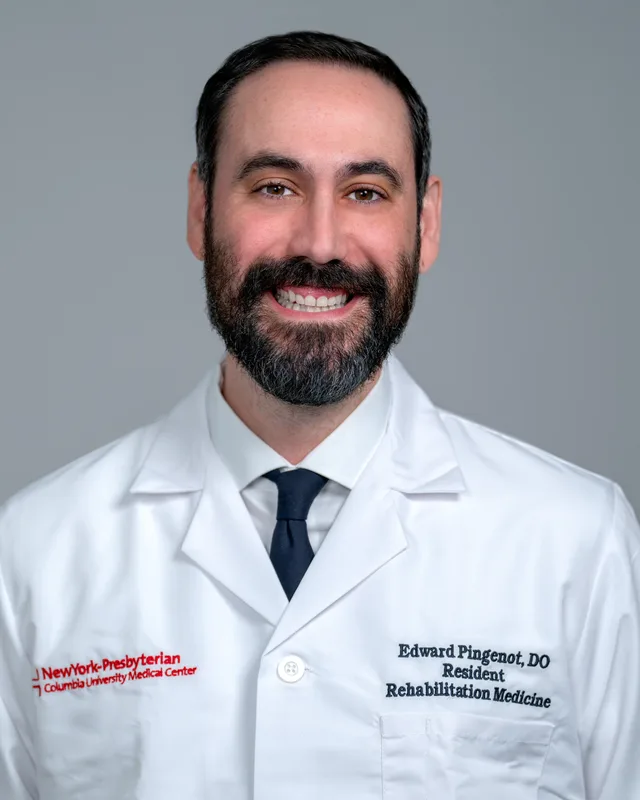
Edward Pingenot, D.O.
Physical Medicine & Rehab
New York, NY
Advisory board members are practicing physicians who advise Attend on the needs of the physician community. They are not employees or investment adviser representatives of Attend Wealth and do not provide financial advice to clients.
Practice owners
Your Practice Is Your Largest Asset
Practice ownership adds a full layer of business finance on top of your personal plan. Entity selection, practice retirement plans, buy-sell agreements, and owner compensation each carry real consequences, and all of them flow through to your household. We advise on both sides and coordinate with your CPA and attorney on implementation.
Where Physicians Gain the Most
Student Loan Planning
PSLF, income-driven repayment, or refinancing, modeled against your actual career path.
Insurance & Protection
Own-occupation disability and term life sized to a physician’s income, placed in-house.
Tax Planning
Backdoor Roth, entity elections, and year-round coordination with your CPA.
Common Questions About Physicians
Does Attend work with physicians?
Yes. Attend was founded to serve physicians and still does, with a physician advisory board of five practicing doctors. Residents, fellows, attendings, and practice owners are all clients.
What is the best student loan strategy for a physician?
It depends on employer type and loan balance. Physicians at nonprofit or academic hospitals often benefit from PSLF on an income-driven plan. Those in private practice usually compare refinancing against aggressive payoff. We model both against your career path.
Do physicians need own-occupation disability insurance?
Almost always. A specialist's income depends on a specific skill set, and only own-occupation coverage pays if you can no longer practice your specialty. Buying during training, before rates rise, is usually cheapest.
How should a new attending handle the first paychecks?
Set withholding correctly, capture the full retirement match, lock in disability coverage, fund an emergency reserve, and decide the loan strategy before lifestyle rises to meet income. We map the first 90 days.
Can Attend help with a practice buy-in?
Yes. We review the valuation, the financing, and the partnership terms, and integrate the buy-in into your personal plan and taxes.
What does Attend charge physicians?
A flat fee for a financial plan, and a tiered percentage of assets if Attend manages investments. There is no account minimum. When an insurance policy is placed through Attend, the carrier pays a commission that is disclosed in writing beforehand.
Last updated September 21, 2026. Answers are educational and not individualized advice. See our disclosures.
Have Questions About Your Finances?
Schedule a consult today. Bring your loan statements, your contract, or the question you have been putting off.
Book Your Complimentary Review